

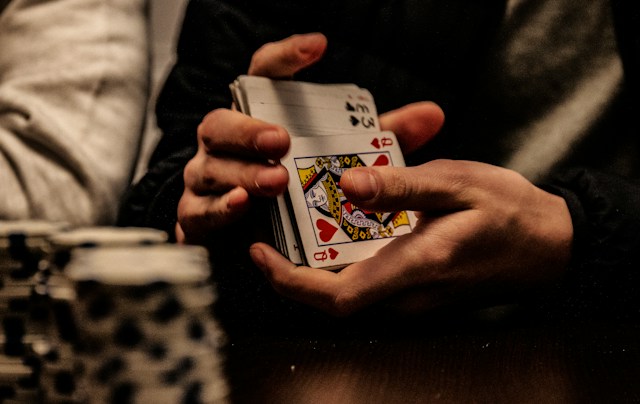
A few years ago, I watched a friend lose his house. Not to a bad mortgage or a divorce. To football.
He was a normal guy. Supported his local team, had a season ticket, enjoyed a pint with his mates on a Saturday. Then he discovered in-play betting. Suddenly every throw-in was a chance to win. Every corner was a potential payout. He told me it made the games more exciting.
It made them more expensive too. He lost his savings first. Then his marriage. Then his house.
I am not telling you this to scare you. I am telling you because gambling addiction is the kind of thing we do not talk about until it is too late. And we should be talking about it.
It Is More Common Than You Think
Here is a number that surprised me. Around 1% of women and 2.2% of men experience gambling disorder or problematic gambling in any given year. That comes from a 2024 meta-analysis published in The Lancet Public Health.
One percent does not sound like much, does it? Until you remember that there are billions of people on this planet. We are talking about tens of millions of people who cannot stop, even when they want to.
And the numbers are climbing. When the United States legalised online sports betting state by state, researchers from the University of New Hampshire found something troubling. In states that legalised online gambling, calls to problem gambling hotlines went up by nearly 23%. Suicides went up too, by just over 3%.
That is not a coincidence. That is cause and effect.
How It Sneaks Up On You
Nobody wakes up one morning and decides to become a gambling addict.
It starts small. A fiver on your team to win. A tenner on a Champions League tie because you fancy the odds. It feels harmless because it is harmless. You can afford it. You enjoy it. You stop when you want to.
Then something shifts. You start betting on matches you do not care about, just for the buzz. The amounts get bigger. Not huge, just bigger. You tell yourself you will win it back next time. You always tell yourself that.
The psychology behind this is well documented. It is called variable ratio reinforcement, and it is the same mechanism that makes slot machines so addictive. You do not know when you will win. That uncertainty keeps you pulling the lever. Every near miss feels like a sign. Every win, no matter how small, feels like proof that you have cracked it.
The DSM-5, the manual psychiatrists use to diagnose mental health conditions, classifies gambling disorder as a behavioural addiction. That means it sits alongside substance addictions like alcohol and drugs. The symptoms are similar too: tolerance, withdrawal, loss of control, and continuing even when you know it is destroying you.
Why Sports Betting Is Particularly Dangerous
I have nothing against a bet on the Grand National or a fiver on the FA Cup final. But sports betting has changed. It is not the same thing your grandad did at the bookies.
For one thing, it feels like skill. You know football. You follow the stats. You have opinions. That sense of knowledge creates an illusion of control. It is not random, you tell yourself. It is analysis. That is what makes it so seductive.
Then there is in-play betting. You can now wager on the next corner, the next throw-in, the next yellow card. The match does not end after ninety minutes anymore. It ends when you run out of money.
And the advertising. My God, the advertising. Betting brands sponsor everything. They are on shirt fronts, pitch-side boards, commercial breaks during every major tournament. Children grow up thinking betting is just part of watching sport. That normalisation is not accidental. It is a business strategy.
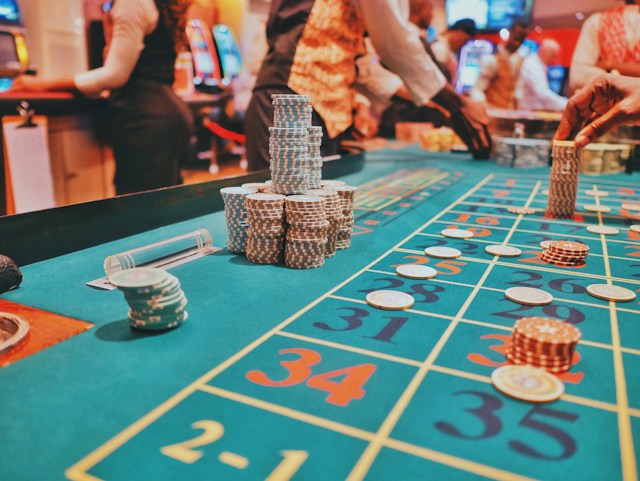
The Warning Signs
Problem gambling does not always look like a problem. A lot of people hide it. They hide the losses, the debt, the time spent on their phones at two in the morning. The shame keeps them silent.
If you are worried about yourself or someone you love, here are the signs to look for:
-
Betting more than you can afford to lose
-
Borrowing money or selling things to gamble
-
Chasing losses — betting bigger to win back what you have lost
-
Hiding your gambling from partners, family, or friends
-
Feeling restless or irritable when you try to stop
-
Neglecting work, studies, or relationships
-
Lying about how much time or money you spend
-
Using gambling as an escape from stress, anxiety, or depression
If you recognise two or more of these in yourself, please take it seriously. Not tomorrow. Now.
It Is Not Just About Money
The financial damage is obvious. People lose savings, homes, jobs. Some go bankrupt. Some lose everything.
But money is only part of the story.
Relationships break down. Trust disappears. Mental health deteriorates. Depression and anxiety are common among problem gamblers. And in the worst cases, gambling leads to suicide. Research from the University of New Hampshire found that online sports betting legalisation was associated with a 3.1% increase in suicide rates.
That is a statistic I wish did not exist. But it does. And pretending otherwise does not help anyone.
Getting Help
Gambling addiction is treatable. It is not a moral failing. It is a recognised condition with real treatment options.
If you are struggling, or if you are worried about someone you know, these organisations offer free and confidential support:
National Problem Gambling Helpline
Call or text 1-800-MY-RESET (1-800-697-3738) to connect with trained professionals 24/7. The service is free and confidential, providing referrals to local resources in all 50 states.
Gamblers Anonymous
A 12-step fellowship with in-person and online meetings across the US. National Hotline: 855-222-5542 | www.gamblersanonymous.org
Gam-Anon
Specifically for family members and friends affected by someone else’s gambling problem. | www.gam-anon.org
SMART Recovery
A science-based alternative to 12-step programs, offering both in-person and online meetings. | www.smartrecovery.org
State-Specific Helplines
Many states operate their own helplines. For example:
-
Illinois: 1-800-GAMBLER
-
Virginia: 1-800-GAMBLER or 888-532-3500
-
Ohio: 1-800-589-9966
-
Massachusetts: 800-426-1234
If gambling is affecting your mental health, please speak to a doctor.
A Final Word
My friend is doing better now. He has been in recovery for two years. He still watches football, but he does not bet on it. He told me the hardest part was admitting he had a problem. Not to me, not to his family, but to himself.
Betting is sold to us as entertainment. For most people, that is what it is. But for a significant minority, it becomes a trap that tightens gradually until it feels impossible to escape.
If you bet, set limits. Stick to them. Take breaks. And if you feel like you cannot stop, know that you are not alone.
Betting should never be more than a game.